
Uses of Computers play a major role in daily life. People depend on computers for learning, communication, work, research, and services. Uses of Computers appear in schools, hospitals, banks, government offices, and industries. Modern society relies on computers for fast information processing, storage of data, and efficient work.
Uses of Computers in Education
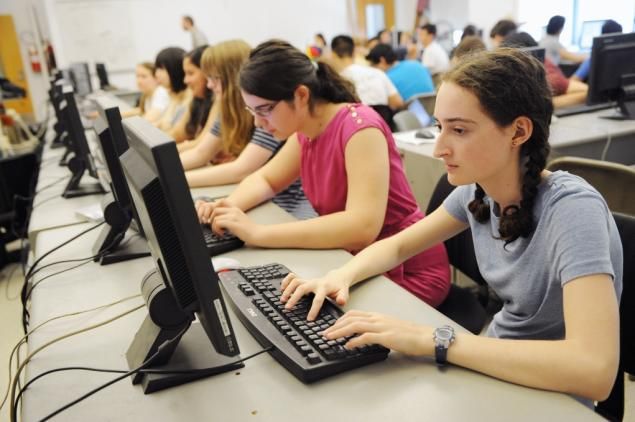
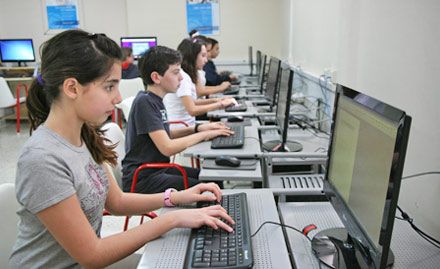
Uses of Computers improve education systems across the world. In earlier times students depended on books, teachers, and printed materials. Modern classrooms include computers, projectors, and internet access.
Teachers use computers for lesson preparation, presentations, and digital learning materials. Students study through online lessons, educational websites, and digital libraries. Many schools require laptops or mobile devices in order to access wireless school networks.
Blended learning also appears in modern education. This method combines classroom teaching and online learning. Universities also provide distance learning programs where students attend lectures through the internet.
Educational software also supports learning. Companies produce learning programs for mathematics, science, languages, and computer skills. These programs often include student discounts.
Uses of Computers in Finance
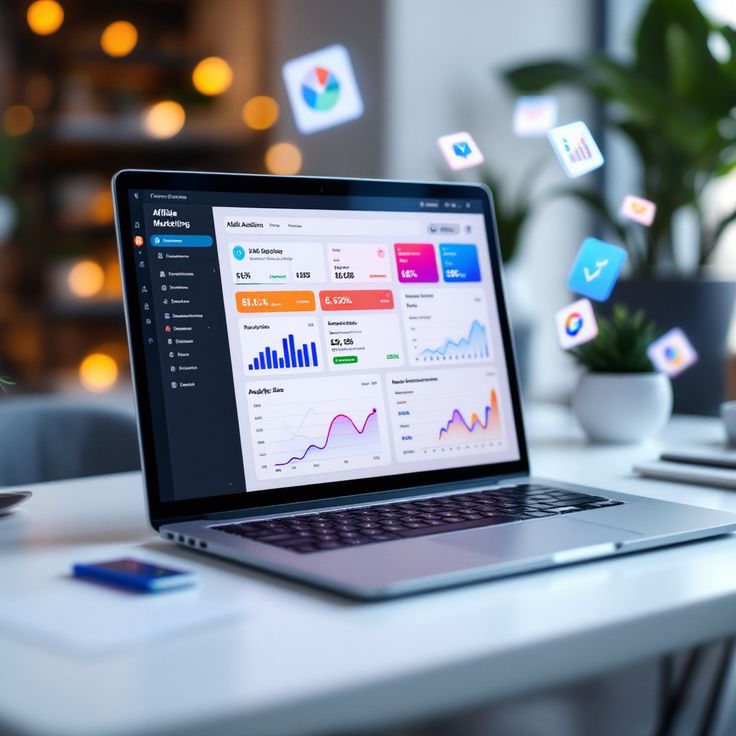
Uses of Computers support financial management for individuals and organizations. People manage income, expenses, and savings through financial software.
Banks rely on computer systems for account management and transaction processing. Online banking allows users to check account balances, transfer money, and pay bills without visiting a bank office.
Companies also track investments, financial plans, and business reports through computer systems. These systems improve accuracy and reduce human error.

Uses of Computers in Government Services
Computers help governments manage information and public services. Government offices maintain digital records of citizens, taxes, and services.
Government websites provide updated information for the public. Citizens read announcements, apply for services, and download official documents through these websites.
Police departments also rely on computer systems for criminal records, communication systems, and investigation databases.
Uses of Computers in Healthcare
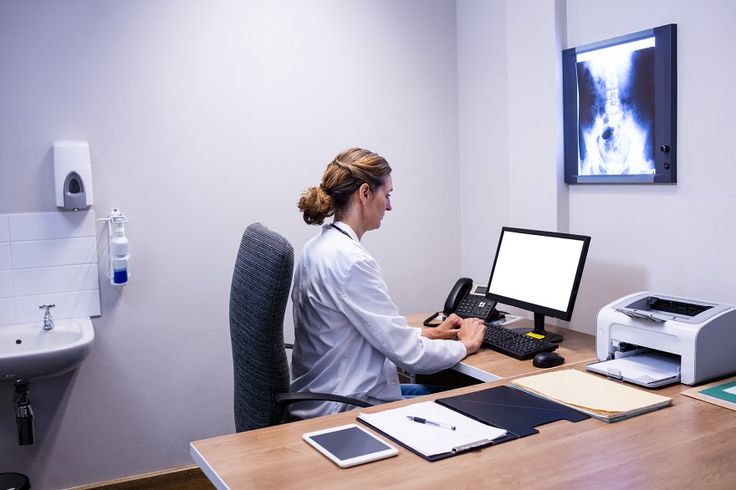
Computers improve healthcare services and hospital management. Hospitals store patient records in digital databases. Doctors review medical history and treatment details through computer systems.
Medical devices connect with computers in order to monitor patient vital signs such as heart rate, blood pressure, and body temperature.
Some hospitals deploy robots for medicine delivery inside hospital buildings. Doctors also share medical information and research through internet platforms.
Health research institutions also depend on computers for medical data analysis and disease research.
Uses of Computers in Publishing and Media
Computers transform publishing and media industries. Publishing includes books, newspapers, magazines, music, films, and videos.
Graphic designers create layouts, illustrations, and images through computer software. Video editors edit films and digital media using specialized editing tools. Journalists write and edit news reports through digital publishing platforms.
Artists also produce music through digital audio software.
Uses of Computers in Travel and Transportation
Computers support travel planning and transportation management. Airlines, railway systems, and travel agencies rely on computer systems for ticket booking and scheduling.
Travelers check ticket prices, available seats, and departure times through online booking systems. Many people reserve travel tickets from home or office through travel websites.
Navigation systems also rely on computer technology in order to guide drivers and pilots.
Uses of Computers in Manufacturing
Computers improve manufacturing processes in factories. Industrial machines operate through computer control systems.
These systems perform repetitive production tasks with speed and precision. Computers also handle dangerous industrial tasks in order to reduce worker risk.
Factories also track product quality, production rates, and supply chains through computer management systems.
Uses of Computers in Scientific Research
Computers support scientific research and data analysis. Researchers collect large volumes of information during experiments and surveys.
Computers store massive datasets and perform complex calculations within short time periods. Scientists study climate patterns, medical data, and space information through computer simulations.
Research institutions depend on computer systems for modeling and statistical analysis.
Uses of Computers in Weather Forecasting
Computers support weather forecasting and climate prediction. Meteorologists collect data from satellites, weather stations, and sensors.
Computer models analyze temperature, wind speed, rainfall, and atmospheric pressure. These systems produce weather forecasts for days or weeks ahead.
Weather prediction improved during the 1960s after the launch of weather satellites. Modern forecasting systems help governments prepare for storms, floods, and other environmental events.
Summary
Uses of Computers influence education, finance, healthcare, government services, publishing, travel, manufacturing, research, and weather forecasting. Computer technology improves efficiency, information access, and decision making across modern society.

One Response