
The Internet
The Internet is a worldwide network system that connects millions of computers, mobile devices, organizations, and institutions. The Internet allows people to share information, communicate, and access digital services from almost anywhere. Businesses, schools, governments, and individuals depend on the Internet for daily work, learning, and communication.
The Internet supports many activities such as online education, research, shopping, banking, and entertainment. Because of these services, many people purchase computers and smartphones mainly for Internet access. Through the Internet users reach information, digital products, and communication tools in seconds.
Today billions of users connect to the Internet each day. Popular Internet services include websites, messaging systems, and video communication platforms. Other services include chat rooms, discussion forums, and file sharing systems. These tools allow people to exchange ideas, learn knowledge, and collaborate across countries and continents.
Evolution of The Internet
The Internet began as a research project created by the United States Department of Defense through the Advanced Research Projects Agency.
The agency started a network project to help scientists communicate and share research data across different locations. The project also aimed to build a strong network that continues working even if part of the network stops operating.
This early network became known as ARPANET.
ARPANET started operating in 1969 and connected several research institutions in the United States.
Each computer connected to ARPANET worked as a host computer. A host computer, often called a server today, provides services and network connections to other computers. These computers exchanged data through communication networks and gradually formed a larger system.
By 1984 the network already connected more than one thousand computers. Over time additional networks joined together and formed the modern Internet used today across the entire world.
Connecting to The Internet
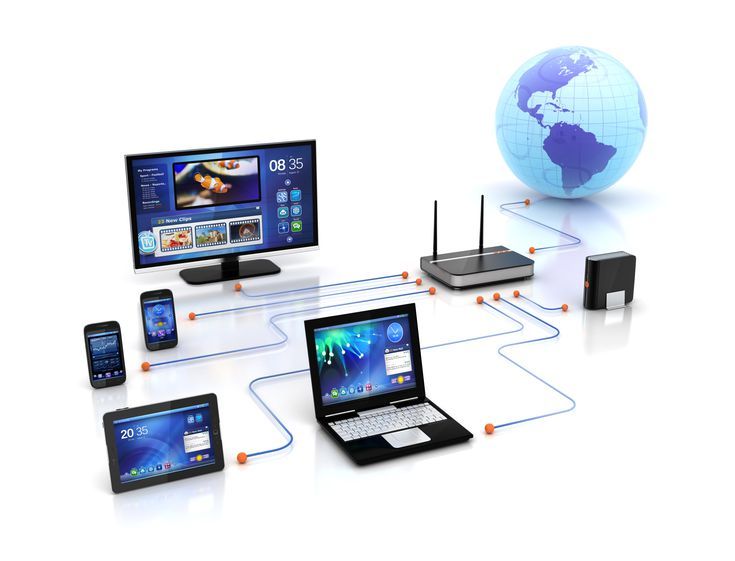
Users connect computers and mobile devices to the Internet through wired and wireless technology.
Wired connections require a physical cable between a computer and a communication device such as a modem or router. Common wired transmission media include:
- phone line
- coaxial cable
- fiber optic cable
Wireless connections transmit data through signals instead of cables. Most smartphones, tablets, and laptops contain built in wireless technology.
Common wireless technologies include:
- Wi Fi
- cellular radio networks
- satellite communication systems
Some computers use an external wireless modem. A small wireless modem device is often called a dongle. This device attaches to a computer through a USB port and enables wireless Internet access.
Most homes and businesses today use broadband Internet service. Broadband provides fast data transfer speeds and a continuous Internet connection. Users with broadband open websites faster, stream video, communicate instantly, and download files quickly.
Internet Service Providers
Users gain Internet access through companies called Internet service providers. An Internet service provider, often called an ISP, supplies Internet connectivity to homes, businesses, and organizations.
Many Internet providers charge a monthly fee based on connection speed and data usage. Internet plans often differ according to bandwidth, reliability, and customer support services.
Large technology companies help develop and expand Internet services worldwide. Examples include:
Many Internet service providers also supply extra services such as email accounts, cloud storage, website hosting and security services.
Bandwidth is an important concept in Internet performance. Bandwidth refers to the amount of data transferred across a network within a period of time. Higher bandwidth allows larger files and videos to move across networks faster.
Data sizes normally use measurement units such as megabytes and gigabytes. One megabyte represents about one million characters of data. One gigabyte represents about one billion characters of information.
How Data Travels Across The Internet?
Computers and mobile devices communicate across the Internet through a system of servers, clients, and transmission networks.
A client refers to a device used by a person, such as a laptop, tablet, or smartphone. A server refers to a powerful computer that stores websites, applications, and digital services.
Data moves across both wired and wireless transmission media such as fiber optic cables, radio signals, and satellite links.
Large communication routes across the Internet form a system called the Internet backbone. These high capacity connections carry massive amounts of network traffic between cities, countries, and continents.
IP Addresses and Domain Names
Each computer or device connected to the Internet receives a unique identification number called an IP address. This number identifies the location of a device within the network.
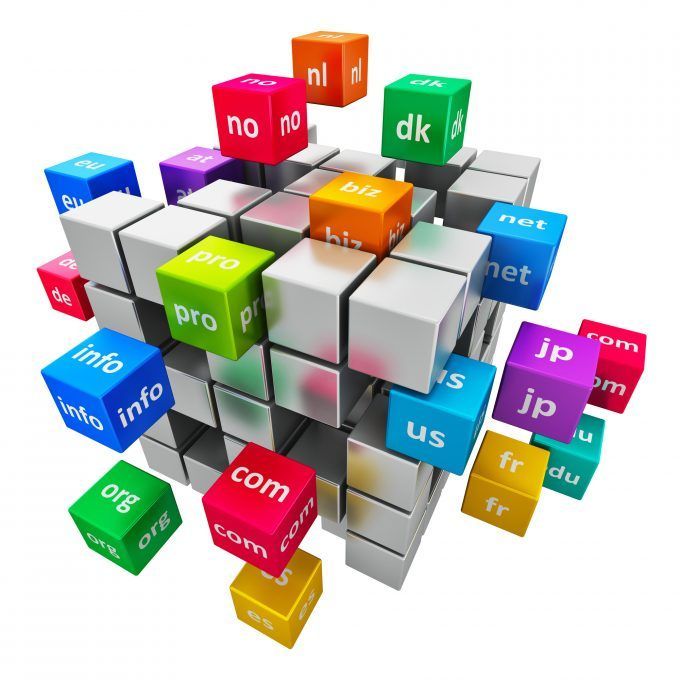
Because IP numbers are difficult for humans to remember, the Internet also uses domain names. A domain name represents a readable website address such as google.com.
The system responsible for matching domain names with IP addresses is called the Domain Name System. When a user enters a website address in a web browser, a DNS server translates the domain name into the correct IP address.
After the translation process, the request travels through Internet networks until it reaches the correct server hosting the website.
Summary
- The Internet is a global network that connects computers and mobile devices. It allows users to share information, communicate, and access online services.
- The Internet began as a research network called ARPANET, created by the Advanced Research Projects Agency in 1969. Over time it expanded into the worldwide Internet used today.
- Users connect through wired or wireless technologies provided by Internet service providers. Data travels across networks using servers, clients, and high speed connections called the Internet backbone.
- Each device on the Internet has a unique IP address. The Domain Name System converts domain names into IP addresses so computers locate websites easily.

One Response