
Types of Computers
Types of Computers describe computer systems grouped by size, power, and purpose. Modern society depends on different types of computers for education, communication, business, entertainment, and scientific research. Every computer performs four basic functions. These functions include input, processing, output, and storage of data.
People use different types of computers based on their needs. A student writing assignments uses a laptop or desktop computer. A scientist working on climate models uses a supercomputer. A large bank processing millions of transactions depends on a mainframe computer. These examples show how computer types support different tasks in daily life and industry.
Desktop Computers
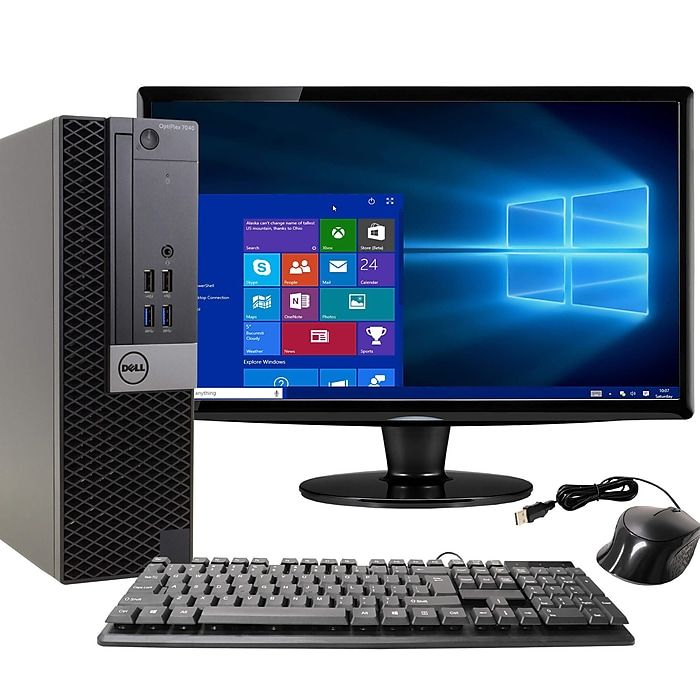
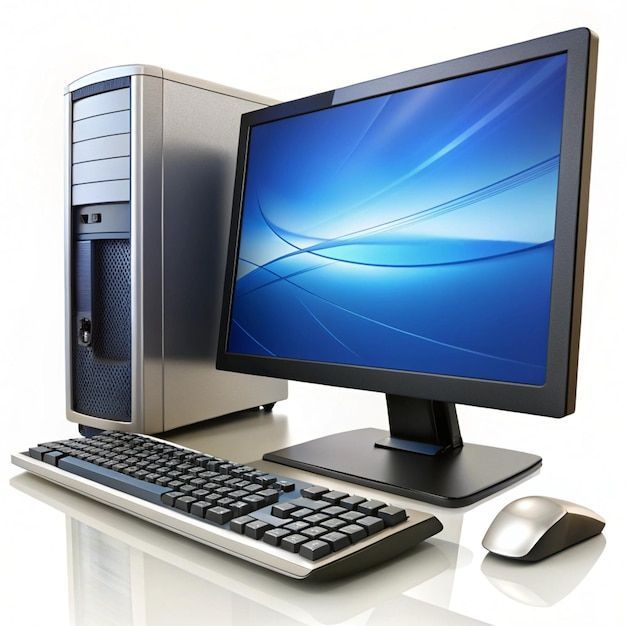
Desktop Computers represent the most common systems used in homes, offices, and schools. These computers stay on a desk and include separate components such as monitor, keyboard, mouse, processor, memory, and storage devices.
Desktop computers support tasks such as writing documents, browsing the internet, designing graphics, programming software, and managing office work. Businesses prefer desktop computers because they offer strong performance and easy upgrades. Users replace memory, storage drives, and graphic cards when higher performance becomes necessary.
Laptop Computers
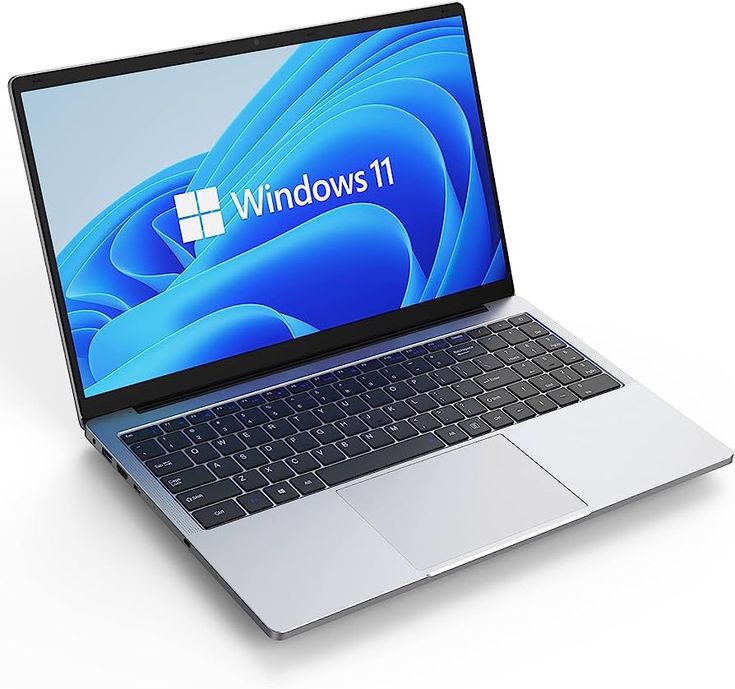
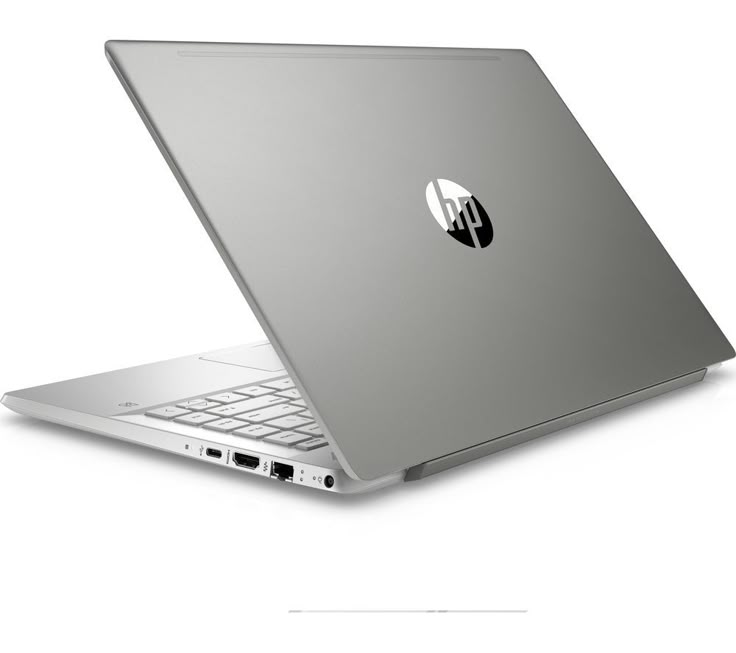
Laptop Computers support mobility and convenience. These computers combine screen, keyboard, processor, battery, memory, and storage inside one portable device. Students, teachers, freelancers, and business professionals often depend on laptops for work and study.
A laptop computer allows users to work from different locations such as classrooms, homes, libraries, and offices. Wireless internet access also improves laptop productivity because users connect to online services, cloud storage, and communication tools from many locations.
Tablet Computers
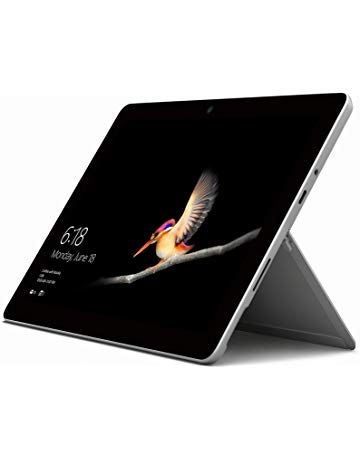
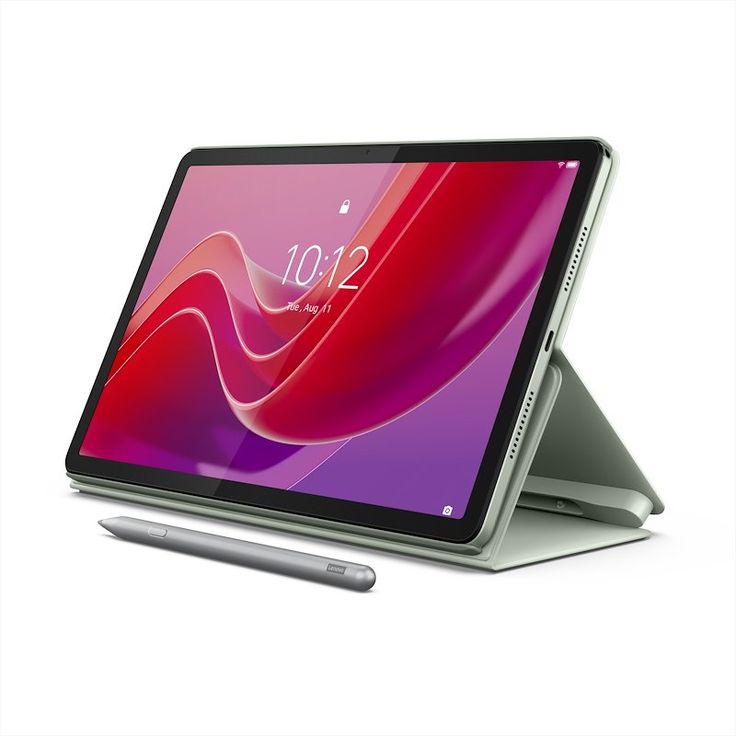
Tablet Computers provide touch screen interaction and simple portability. Tablets support tasks such as reading digital books, browsing websites, watching videos, and managing emails. Many tablets also support digital pens for writing notes or drawing directly on the screen.
Educational institutions use tablets for digital learning. Students read textbooks, access learning applications, and submit assignments through tablet devices. Tablets also support entertainment through games, movies, and social media applications.
Mobile Computers
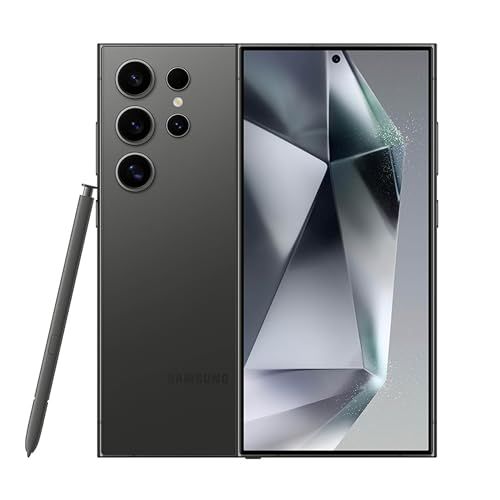
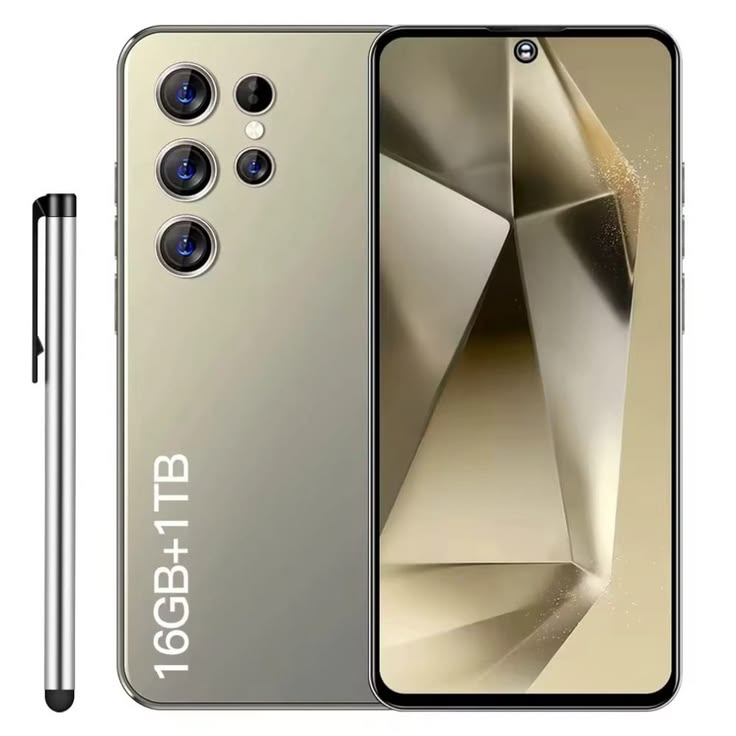
Mobile Computers include smartphones and handheld smart devices. These devices fit easily inside a pocket and rely on internal storage or memory cards for saving data.
Smartphones support many personal management tools such as calendars, contact lists, reminders, calculators, messaging services, and navigation systems. Mobile applications allow users to perform tasks such as online banking, shopping, communication, and digital learning.
Mobile computing technology continues to grow because billions of people depend on smartphones for daily communication and information access.
Game Console Computers
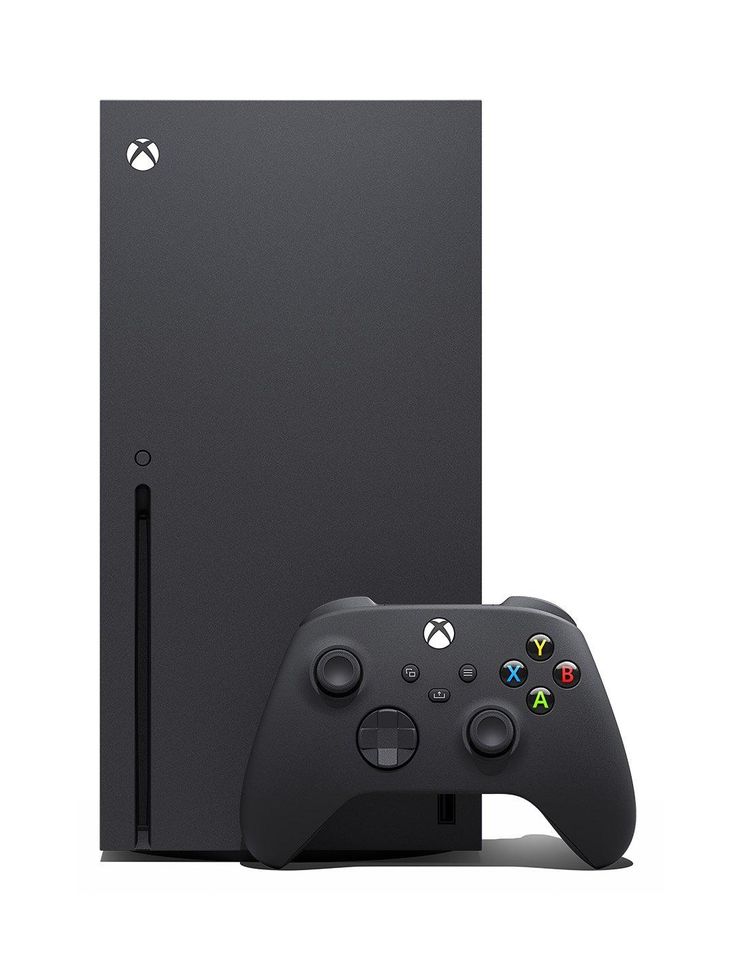
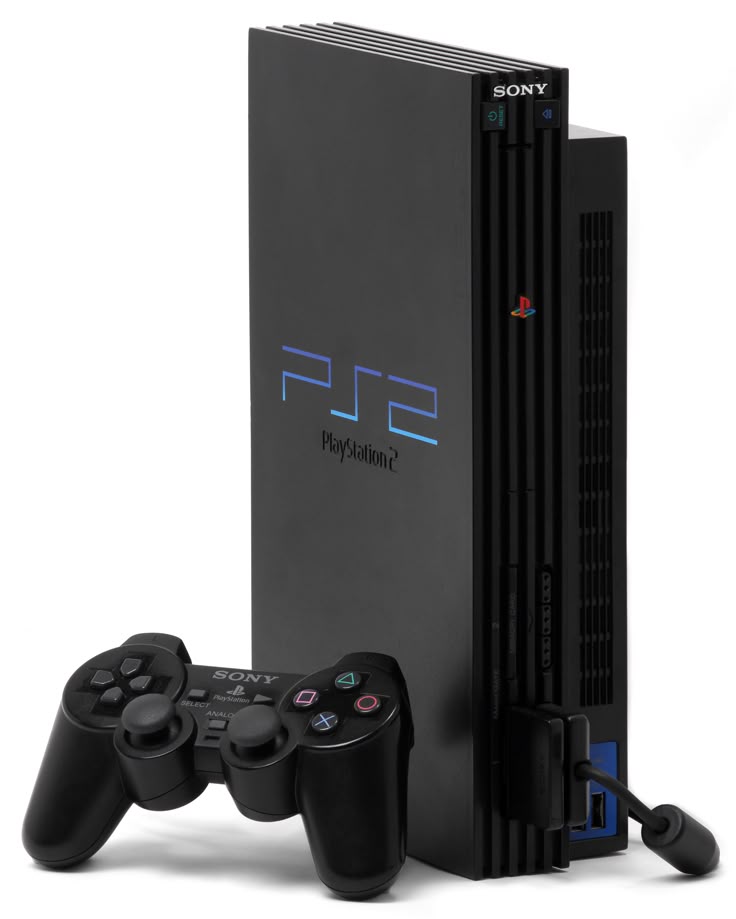
Game Console Computes focus on digital entertainment. These systems run video games with graphics, sound, and interactive gameplay. Many game consoles also support online multiplayer games where players connect through the internet.
Popular gaming systems include consoles developed by Microsoft, Nintendo, and Sony. Game consoles connect to televisions and provide controllers for player interaction.
Server Computers
Server Computers manage computer networks and shared resources inside organizations. A server stores files, software, and databases used by many computers connected to a network.
Large companies depend on servers to manage websites, store employee data, and support communication systems. Servers also provide centralized storage where multiple users access the same files.
Mainframe Computers
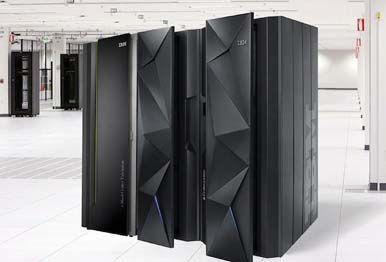
Mainframe Computers support large scale data processing in banks, airlines, and government institutions. These computers process millions of transactions and support thousands of users at the same time.
Large organizations use mainframe computers for payroll systems, customer billing, ticket reservations, and financial record management. These systems provide high reliability and security for critical data.
Supercomputer
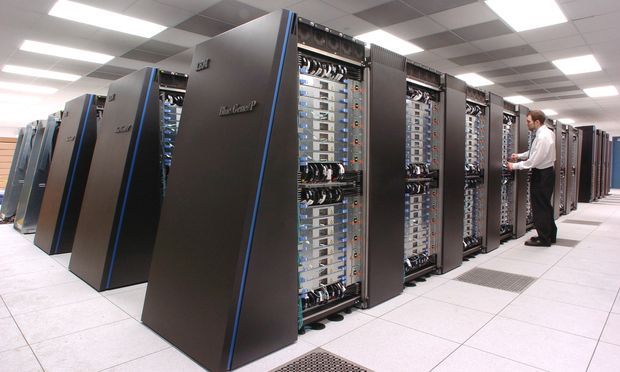
Supercomputer Computers represent the fastest and most powerful computer systems in the world. Scientists and engineers depend on supercomputers for complex calculations and scientific simulations.
Supercomputers support weather forecasting, climate research, space exploration, nuclear science, and advanced engineering design. These systems process trillions of calculations within seconds.
Embedded Computers
Embedded Computers operate inside machines and electronic equipment. These computers perform specific tasks within devices.Examples include car engine control systems, airplane navigation systems, printers, washing machines, and home security systems. Embedded computers improve automation and efficiency in modern technology.
Understanding Types of Computers helps people choose the correct computer system for education, business, entertainment, and scientific research. Each type serves a specific role in modern digital life.

One Response